This client has done a great job in helping the root system of their trees not cook under our Idaho Perm-bark rock which is so common in planting beds.
Simply move the rock back, cut out the fabric which we are finding troubles with later as silt fills in the holes, and backfill with mulch.
Do not cover the trunk flare in what is commonly called "volcano mulching" because the moisture held on the trunk can actually cause rot and other issues.
These are the simple landscape changes any homeowner can do that can really affect the long term health of your trees.
DIY Yards and Health
Helping the Do It Yourself home owner in making themselves and surroundings healthy
Wednesday, May 22, 2019
Thursday, August 3, 2017
Insects in my Trees
We often get calls with clients stating insects are attacking their trees and would we come spray them.Before you have a chemical spray application done, make sure you really have insects...
August is a time when heat has had a lot of effect on the tree's ability to move water throughout the leaf canopy. Often the vascular system can not move enough water to support all the little individual cell membranes in that leaf. The result is the membrane dies and is blown out by the wind, creating an effect we call leaf tatter. This may look like insects are chewing on the leaves.
So before you spray, look for the actual insects at different times of day and inspect the actual damage for chew marks or the irregular shapes of individual cells.
Tuesday, July 11, 2017
TruGreen and your Trees
TruGreen and Trees
Recently we have had a half-dozen calls asking us for a second opinion on a clients Tree health because TruGreen had told them the trees were infested with insects and needed to be chemically sprayed.
I examined two properties and another ISA Certified Arborist went to two other locations and did thorough examinations. In each case, the maximum we found was one to two scale insects and older bore holes.
Chemical companies are supposed to be in compliance with what is called IPM or Integrated Pest Management. This is environmentally conscious application of not advising clients to kill everything in the yard but exercise discretion by setting a Pest Threshold; the amount of pest that actually present a problem. We are not trying to kill everything in the yard, that amount of chemical destroys beneficial insects and actually creates a situation of dependence on chemicals.
Scale is equivalent to a tree having a cold, one or two scale insects is barely a sneeze. Bore holes remain for years after the larvae is gone. Please be aware of this sales strategy that uses fear to try and manipulate people into doing what is not actually the best thing for our trees.
Wednesday, April 12, 2017
Raised Garden Bed Help
Raised Beds take more care and to truly get nutrition out of your vegetables you need to focus on soil and growing environment.
The Green Team Booklet on Tree Health and Growing Nutritious Gardens has a simple to understand help on building better soil biology for your plants to grow in.
I'll be teaching free classes on this during the spring so check on the blog for post of a class near you or if you want a personal evaluation and review of your garden it's $39 which includes the booklet.
We also have Soil Testing available.
email greenteam.ted@gmail.com
Next Raised Bed Garden Class: Evans Building Supply Eagle Idaho 10am Saturday April 15th
The Green Team Booklet on Tree Health and Growing Nutritious Gardens has a simple to understand help on building better soil biology for your plants to grow in.
I'll be teaching free classes on this during the spring so check on the blog for post of a class near you or if you want a personal evaluation and review of your garden it's $39 which includes the booklet.
We also have Soil Testing available.
email greenteam.ted@gmail.com
Next Raised Bed Garden Class: Evans Building Supply Eagle Idaho 10am Saturday April 15th
Friday, February 3, 2017
Idaho Gardening
I am very excited about this great solution to backyard gardening.
We've worked with many of you setting up garden programs with better quality soil. Getting that soil into backyards has often been very difficult. This new way of controlling garden soil is just what we've been looking for.
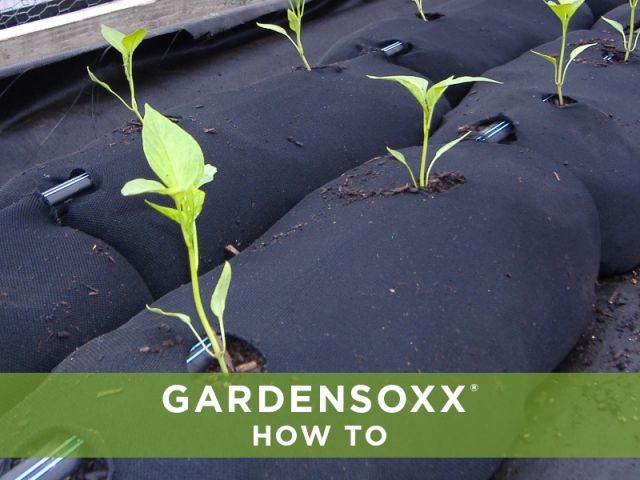
It's called the GARDENSOXX;
an elastic material with the toughness of landscape fabric, easy to fill with quality compost and a built-in drip system.
The SOXX can be any length. A three-foot section is simple to carry. Can be put anywhere, on top of your existing beds, in the lawn, on the patio, the options are limitless.
Weed control is essentially built in. The unit can be moved if needed as the sun changes angle at the end of the season.
Pricing is very affordable.

For more information email me at greenteam.ted@gmail
We've worked with many of you setting up garden programs with better quality soil. Getting that soil into backyards has often been very difficult. This new way of controlling garden soil is just what we've been looking for.
an elastic material with the toughness of landscape fabric, easy to fill with quality compost and a built-in drip system.
The SOXX can be any length. A three-foot section is simple to carry. Can be put anywhere, on top of your existing beds, in the lawn, on the patio, the options are limitless.
Weed control is essentially built in. The unit can be moved if needed as the sun changes angle at the end of the season.
Pricing is very affordable.
For more information email me at greenteam.ted@gmail
Wednesday, November 9, 2016
Idaho Trees and Clay Soil
The most overlooked problem in Idaho is how clay soil affects our trees. Trees roots need macropores or "air space" or you literally suffocate them. Clay is not "bad" soil, it's just too compact and needs organic matter to create that air space.
Back East the Arborist effectively fix this with what is called an Air Spade; however Idaho has been slow to get this critical aeration tool working on our trees. Over eighty percent of the tree evaluations I am called out on have soil compaction that is creating the symptoms. Over compacted soil slowly suffocating a tree, and making it unhealthy, invites in other disease and pests that target sick plants. An uninformed Pest Control person will advise pesticides but what we really need to do is improve the environment the tree is in and make it healthy so it can fight off those issues.
So what do we do?
It is a simple process of using high-pressure air to break apart that soil without damaging the roots as shown in these two videos.
Part One showing the trenches for Air Spade Repair
Part Two Showing the Air Spade in Action
If you want healthy trees in heavy clay; you have to fix the problem. Fall is an ideal time on dormant decidua trees. Cost usually starts around $475 to get the equipment, people and materials on the first tree but then subsequent trees are $165 clear down to $50 for smaller trees.
Back East the Arborist effectively fix this with what is called an Air Spade; however Idaho has been slow to get this critical aeration tool working on our trees. Over eighty percent of the tree evaluations I am called out on have soil compaction that is creating the symptoms. Over compacted soil slowly suffocating a tree, and making it unhealthy, invites in other disease and pests that target sick plants. An uninformed Pest Control person will advise pesticides but what we really need to do is improve the environment the tree is in and make it healthy so it can fight off those issues.
So what do we do?
It is a simple process of using high-pressure air to break apart that soil without damaging the roots as shown in these two videos.
Part One showing the trenches for Air Spade Repair
Part Two Showing the Air Spade in Action
If you want healthy trees in heavy clay; you have to fix the problem. Fall is an ideal time on dormant decidua trees. Cost usually starts around $475 to get the equipment, people and materials on the first tree but then subsequent trees are $165 clear down to $50 for smaller trees.
Wednesday, March 23, 2016
Landscape fabric and tree health
Years ago we were told landscape fabric was the answer. But as we start to check trees showing health issues we are seeing more and more examples like this photo.
This was peeled back (just bark on top) at a client in Nampa who's property was just ten year old. Most of the tree roots were on the surface searching for water and oxygen. The fabric was NOT breathing but the little pores in it were clogged from the organic matter break down. Water was running off so the roots were getting almost none of the irrigation.
I have seen this all over the treasure valley. You need to dig around your trees and pull the fabric back. If this is happening; remove the fabric several feet past the drip line.
You'll find roots growing into the fabric as well, especially small feeder roots. Unfortunately a lot of this will have to be removed but if you don't do it now it will end up killing the tree.
In this case we did airspade work and used the high compressed air to separate the root growth from the fabric and then did trenches to help with the organic matter in the soil.
This was peeled back (just bark on top) at a client in Nampa who's property was just ten year old. Most of the tree roots were on the surface searching for water and oxygen. The fabric was NOT breathing but the little pores in it were clogged from the organic matter break down. Water was running off so the roots were getting almost none of the irrigation.
I have seen this all over the treasure valley. You need to dig around your trees and pull the fabric back. If this is happening; remove the fabric several feet past the drip line.
You'll find roots growing into the fabric as well, especially small feeder roots. Unfortunately a lot of this will have to be removed but if you don't do it now it will end up killing the tree.
In this case we did airspade work and used the high compressed air to separate the root growth from the fabric and then did trenches to help with the organic matter in the soil.
Saturday, February 20, 2016
Truth about spraying Organic Oil
Organic Oil; aka Dormant Oil or Horticulture oil, is done usually in the winter to coat the tree in a thin oil sheen that suffocates overwintering insect eggs.
I feel it is a must because it IS organic, inexpensive and good to coat open wounds after winter pruning.
The truth about Oil is that, although not toxic like a chemical insecticide, it is more difficult to apply because of the amount of water volume needed to do it right. The common mix rate is 1 to 100 or in most cases one gallon to 100 gallons of water. It has to be applied to "run-off" which means to get adequate coverage you need to really use a lot to cover the entire tree correctly.
The photo shown is not enough material to really do the job, even a small fruit tree can use as much as 7 to 8 gallons to reach complete run-off and a large Maple could use as much as 30 gallons.
This means you either buy a dedicated thirty gallon tank with a gas pump that can shoot the material thirty plus feet high, or you hire a professional. The material cost is not that much so what you really pay for is the $5,000 of equipment to apply it right. Still, that fruit tree shouldn't be more than $10 a tree after the minimum stop fee (price to get the equipment there). I do this with a large pump system in a truck and still the average yard costs is $65.
The other important item about the equipment is agitation. This is oil and water...we know that old saying, they don't want to mix. So the tank must be aggressively agitated the entire time, so the guy in the photo should be shaking that tank continually.
My advise is to have the bigger equipment do the organic oil sprays so you know it's being done right. Often this is all you need in pest control for the tree. If a situation arises where you are forced to do an insecticide on your fruit trees, the above photo would be fine because you'll be using a lot less material and just misting the product on (not to run-off).
If you've pruned...make sure the oil is sprayed...insects love to lay eggs on new wounds.
I feel it is a must because it IS organic, inexpensive and good to coat open wounds after winter pruning.
The truth about Oil is that, although not toxic like a chemical insecticide, it is more difficult to apply because of the amount of water volume needed to do it right. The common mix rate is 1 to 100 or in most cases one gallon to 100 gallons of water. It has to be applied to "run-off" which means to get adequate coverage you need to really use a lot to cover the entire tree correctly.
The photo shown is not enough material to really do the job, even a small fruit tree can use as much as 7 to 8 gallons to reach complete run-off and a large Maple could use as much as 30 gallons.
This means you either buy a dedicated thirty gallon tank with a gas pump that can shoot the material thirty plus feet high, or you hire a professional. The material cost is not that much so what you really pay for is the $5,000 of equipment to apply it right. Still, that fruit tree shouldn't be more than $10 a tree after the minimum stop fee (price to get the equipment there). I do this with a large pump system in a truck and still the average yard costs is $65.
The other important item about the equipment is agitation. This is oil and water...we know that old saying, they don't want to mix. So the tank must be aggressively agitated the entire time, so the guy in the photo should be shaking that tank continually.
My advise is to have the bigger equipment do the organic oil sprays so you know it's being done right. Often this is all you need in pest control for the tree. If a situation arises where you are forced to do an insecticide on your fruit trees, the above photo would be fine because you'll be using a lot less material and just misting the product on (not to run-off).
If you've pruned...make sure the oil is sprayed...insects love to lay eggs on new wounds.
Monday, February 1, 2016
Plant nutrition process
I've talked a lot about Mycorrhizae and the microbes that transfer nutrients into our garden plants.
These are beneficial fungi that actually attach themselves to the roots of your plants and transfer nutrients into your vegetables.
The best demonstration I have seen on this subject are photos under naturalgardeningprinciples.com which actually give you a look through a microscope and identify what they look like.
This is what we are looking for when we put your soil under the scope to see what the condition your soil is actually in and well worth looking at.
Click Here.
If you do not have this in your soil you will not have plants that have the nutrients you are looking for to make your family healthier.
These are beneficial fungi that actually attach themselves to the roots of your plants and transfer nutrients into your vegetables.
The best demonstration I have seen on this subject are photos under naturalgardeningprinciples.com which actually give you a look through a microscope and identify what they look like.
This is what we are looking for when we put your soil under the scope to see what the condition your soil is actually in and well worth looking at.
Click Here.
If you do not have this in your soil you will not have plants that have the nutrients you are looking for to make your family healthier.
Tuesday, January 26, 2016
Soil for your raised beds
Soil is key to vegetables that actually have the nutrients to help our bodies become healthier.
Raised beds (actually Table Top height) really are the answer when it comes down to gardening with less pain. However raised beds cut off the mycorrhizal network that conveys nutrients from the soil into your plant.
The answer is to replace the soil every year with rich vermicomposted and thermal composted materials (we focus on non-chemically treated vegetable and leaf matter).
We build our soils this way and we use the ingredients to make compost tea to inject in the bins in July.
The result is better quality food. Organic labels just mean they have not used pesticides. Which is a step in the right direction but you have to actually have nutrient rich foods to feed your body to improve the immune system and get back into the correct organic loop.
Price is pretty inexpensive - there is a trip fee (we start in Eagle at the Fry Homestead Farm). Then we look at your soil with a microscope to see what you really need. Most soil costs are around 3 to $4 a square foot. Microbe injections are three dollars each.
Raised beds (actually Table Top height) really are the answer when it comes down to gardening with less pain. However raised beds cut off the mycorrhizal network that conveys nutrients from the soil into your plant.
The answer is to replace the soil every year with rich vermicomposted and thermal composted materials (we focus on non-chemically treated vegetable and leaf matter).
We build our soils this way and we use the ingredients to make compost tea to inject in the bins in July.
The result is better quality food. Organic labels just mean they have not used pesticides. Which is a step in the right direction but you have to actually have nutrient rich foods to feed your body to improve the immune system and get back into the correct organic loop.
Price is pretty inexpensive - there is a trip fee (we start in Eagle at the Fry Homestead Farm). Then we look at your soil with a microscope to see what you really need. Most soil costs are around 3 to $4 a square foot. Microbe injections are three dollars each.
Friday, December 11, 2015
Gardening into Fall and Winter
Hoop style garden covers do several things for us. One is they protect the plant from the desiccating fall winds. The second is that each cover will actually move your zone down one level south.
If you want to extend your garden time, this is an essential way to cover your plants.
So how can you do it inexpensively? It's actually pretty simple. Take electrical conduit and bend it into half hoops. To get the right bends this is the tool you will need.
http://www.johnnyseeds.com/search.aspx?searchterm=pipe+bender&isusersearch=1
http://quickhoops.net/
http://www.buildmyowngreenhouse.com/mh-3-low-tunnel-hoop-bender.aspx
Thursday, December 3, 2015
Firewood contamination
Firewood can be very harmful to your landscape trees.
Last year I watched my neighbor across the street unload several cords of wood. The next day I was greeted by a long horn Asian invader, which I promptly disposed of but knew it was just one of probably many...
Your firewood can be a real problem in that it can bring in bores and invaders that can attack your trees and even your home.
Here is a video I took of an actual larvae caught while splitting fire wood. Click Here
The state wants to encourage us to get our firewood locally so we do not bring in invaders but sometimes that is not possible or you may already have wood that has been brought in.
Another option is to create a wood shed containment area and then spray the inside with a band as directed on the label of the product you chose, as you would for spiders, so a hatching larvae that flies out may be intercepted by the spray band. This includes Carpenter Ants, Termites etc., however with Termites you may need to do a ground application around the containment shed as directed on the label. Screens can be implemented in the shed as well to contain insects that may have crawled out of the wood.
Do not spray the actual wood with an insecticide in that you could release the active ingredient when you burn the wood affecting yourself.
Again, always follow the label and remember that the bore shown in the video will actual pupate into a flying insect which will lay eggs on your landscape trees so your containment area needs to control crawling as well as flying insects.
Last year I watched my neighbor across the street unload several cords of wood. The next day I was greeted by a long horn Asian invader, which I promptly disposed of but knew it was just one of probably many...
Your firewood can be a real problem in that it can bring in bores and invaders that can attack your trees and even your home.
Here is a video I took of an actual larvae caught while splitting fire wood. Click Here
The state wants to encourage us to get our firewood locally so we do not bring in invaders but sometimes that is not possible or you may already have wood that has been brought in.
Another option is to create a wood shed containment area and then spray the inside with a band as directed on the label of the product you chose, as you would for spiders, so a hatching larvae that flies out may be intercepted by the spray band. This includes Carpenter Ants, Termites etc., however with Termites you may need to do a ground application around the containment shed as directed on the label. Screens can be implemented in the shed as well to contain insects that may have crawled out of the wood.
Do not spray the actual wood with an insecticide in that you could release the active ingredient when you burn the wood affecting yourself.
Again, always follow the label and remember that the bore shown in the video will actual pupate into a flying insect which will lay eggs on your landscape trees so your containment area needs to control crawling as well as flying insects.
Wednesday, November 11, 2015
Correct Pruning Booklet
The Tree Guide for Landscapers and Back Yard Pruners is complete and ready to purchase just in time for this winters pruning season.
The booklet is a compilation of what I have taught in the field for over 20 years, explaining the basics of how a tree grows so you can make correct pruning decisions.
Brief and to the point, I would not let anyone touch your trees if they do not have this base of information.
Includes:
Tools Needed
Proper Cutting Methods
Correctional Pruning
Dominant Leader Pruning
Pruning Difficult Trees
Pruning Fruit Trees for Ornamental
Quiz and Review Page for the Field
If interested, contact me through the greenteam.ted@gmail.com email address
The booklet is a compilation of what I have taught in the field for over 20 years, explaining the basics of how a tree grows so you can make correct pruning decisions.
Brief and to the point, I would not let anyone touch your trees if they do not have this base of information.
Includes:
Tools Needed
Proper Cutting Methods
Correctional Pruning
Dominant Leader Pruning
Pruning Difficult Trees
Pruning Fruit Trees for Ornamental
Quiz and Review Page for the Field
If interested, contact me through the greenteam.ted
Wednesday, September 23, 2015
Preparing your Trees for Winter
Getting your Trees ready for Winter
Last year we saw the loss of a lot of trees from a combination of the quick freeze in November, and a long desiccating west wind in the spring, with little rain.
Why did some trees get through while others died?
Trees do not do anything fast...they build up health over time or they go through decline which leads to a process we call the death spiral.
You can not wait until a tree is dying, and then, try to save it. You have to be pro-active in keeping them healthy so they can withstand weather events, pests, drought and mechanical damage.
Decidua trees need to be well hydrated this time of year in that they are going through a process called reverse sink. This is a time period where the tree uses both the phloem and xylem to store as much nutrients in the root system as possible for the big push in the spring. Next spring the tree will need a root nutrient amendment, (NOT a high nitrogen fertilizer though), to insure the natural organic process is happening in the soil. This can be done by adding composted material around the drip area or dong a liquid injection.
Evergreens will continue to transpire through the winter. So they need water during the winter months. If there is snow and rain the tree will be fine, but months of dry weather are very hard on Evergreens. Being aware of that, and know it may be necessary to actually hand water them or use water bags to insure a slow release of water during the winter.
I also recommend adding root nutrients during the winter for Evergreens due to the fact that this is often their most difficult time of stress.
The point is to keep the tree healthy, so it can call upon its reserve system when a weather event creates stress on the tree.

Even though flocking looks pretty on trees, the freezing and thawing while covered in frost, damages the cell structure of the protective bark layer. If it is extreme, I will often use a leaf blower and gently remove as much of the frost as possible. For young trees it is important to wrap or use a cardboard tube around the tree trunk to prevent the bark from splitting, a process called sunscald.
For Junipers and Arborvitaes it may be necessary to wrap them with twine so snow load does not split them down, just remember to remove the twine in the spring to prevent damage during spring wind.
Any questions on your particular tree can be sent to greenteam.ted@gmail.com
Last year we saw the loss of a lot of trees from a combination of the quick freeze in November, and a long desiccating west wind in the spring, with little rain.
Why did some trees get through while others died?
Trees do not do anything fast...they build up health over time or they go through decline which leads to a process we call the death spiral.
You can not wait until a tree is dying, and then, try to save it. You have to be pro-active in keeping them healthy so they can withstand weather events, pests, drought and mechanical damage.
Decidua trees need to be well hydrated this time of year in that they are going through a process called reverse sink. This is a time period where the tree uses both the phloem and xylem to store as much nutrients in the root system as possible for the big push in the spring. Next spring the tree will need a root nutrient amendment, (NOT a high nitrogen fertilizer though), to insure the natural organic process is happening in the soil. This can be done by adding composted material around the drip area or dong a liquid injection.
Evergreens will continue to transpire through the winter. So they need water during the winter months. If there is snow and rain the tree will be fine, but months of dry weather are very hard on Evergreens. Being aware of that, and know it may be necessary to actually hand water them or use water bags to insure a slow release of water during the winter.I also recommend adding root nutrients during the winter for Evergreens due to the fact that this is often their most difficult time of stress.
The point is to keep the tree healthy, so it can call upon its reserve system when a weather event creates stress on the tree.

Even though flocking looks pretty on trees, the freezing and thawing while covered in frost, damages the cell structure of the protective bark layer. If it is extreme, I will often use a leaf blower and gently remove as much of the frost as possible. For young trees it is important to wrap or use a cardboard tube around the tree trunk to prevent the bark from splitting, a process called sunscald.For Junipers and Arborvitaes it may be necessary to wrap them with twine so snow load does not split them down, just remember to remove the twine in the spring to prevent damage during spring wind.
Any questions on your particular tree can be sent to greenteam.ted@gmail.com
Friday, July 24, 2015
Tree's look sick in summer
This is the time of year my phone rings and rings with people wanting me to look at their trees - truth is, trees that are sick now are showing stress from a lack of health or improper watering.
With this in mind, I've put together a water testing page so you can know what is really happening with your trees water condition:
Go around
the perimeter of the tree stabbing the meter into the soil at least 6 inches (you may need to use a screw driver to make
the hole if the soil is hard)
Do this
starting 6 inches away from the trunk on small trees, 2 feet on large trees,
with the first stab.
On small
trees go out 2 feet on the second stab, on large trees go out another 2 feet
then a third stab clear out to the end of the drip line or where the limbs end
on the outside of the tree canopy.
Use a grid
pattern and record the results each day for a week under your normal watering
process.
Probe down in the ground 2 to 3 time
All around the tree in this
type of hub and spoke pattern
Go as deep as you can with the probe Do this every day for 7 days and record the meter readings
START with the first number being the North spoke and move clockwise around the tree
Monday ______________________________________________________________________
Go as deep as you can with the probe Do this every day for 7 days and record the meter readings
START with the first number being the North spoke and move clockwise around the tree
Monday ______________________________________________________________________
Tuesday__________________________________________________________________
Wednesday_______________________________________________________________
Thursday_________________________________________________________________
Friday____________________________________________________________________
Saturday__________________________________________________________________
Sunday____________________________________________________________________
Water was
set to run (# of days and which days) __________________________________________________________________________________________________________________________________________________________
Amount of time running on each station
___________________________________________________________________________________
Your trees should be wet once a week and more toward dry the rest of the week. otherwise you are filling the macropores with water and suffocating the tree's roots system...see the section under trees if you need to do an airspade job for drainage. __________________________________________________________________________________
Amount of time running on each station
___________________________________________________________________________________
Your trees should be wet once a week and more toward dry the rest of the week. otherwise you are filling the macropores with water and suffocating the tree's roots system...see the section under trees if you need to do an airspade job for drainage. __________________________________________________________________________________
Wednesday, May 13, 2015
Conclusion of straw bale gardening
Last year we experimented with straw bale gardening. Here are some conclusions...
Surprisingly the strawberries did very well even as the bales are half the size they were when we started.
Conclusions:
1. There is definitely an odor all summer long as these bales break down biologically.
2. Held moisture well
3. Tomatoes loved them but Spinach and other crops did not do well.
4. Compost (worm) tea did help in July.
5. Nutrients were lacking without adding compost elements.
6. Real mess to clean up at the end of the year.
I would not recommend putting these on your patio as being suggested on many sites online.
Wednesday, April 29, 2015
Killing year for trees
What is happening to the trees in Boise, Nampa and Meridian areas?
Trees are dying in our area due to several stress factors.
1. November's sudden 50 degree drop did not allow the time needed for decidua (leaf) trees to go through the process called reverse sink. This is very important for the trees ability to store sugars and nutrients in their root system needed in the spring. As they call upon these reserves, this spring, they do not have the ability to put on adequate foliage. Evergreens develop a type of anti-freeze in their sap to stay green all winter; again this was not ready for that sudden freeze so we see browned out needles.
2. This spring has added to the stress by being so warm so early without adequate rains. Our water has just come on and the trees are suffering from two months of inadequate water. Combine this with these hot dry winds, which is defoliating trees just starting to put new leaves on, and we have a nasty combination to kill trees this year.
What to do?
Trees do not do anything fast, so reacting too late will not save them. The best action you can take is to get water on them using deep soaker hoses - and do it today!
DO NOT prune off what you think is dead at this time. It may still push out latent buds so you want to wait until June to make that decision.
Watch for insect attacks; insects attack weak trees to finish them off in a forest environment. But we want to save these trees, so if you feel sticky residue when walking under your trees (aphid indicator) or any other insect attack, let me know and we will address that immediately.
I am going as fast as I can to get the deep root injections done. The trees that we have been doing deep root tree care for three or more years now, show no signs of damage, because healthy trees were able to recover. You have to be pro-active to have healthy trees.
I am getting a lot of calls asking me to come out and look at their trees. Looking at them is not going to save them. The only options we have are the ones stated above. Get the water on them and use our watering information about trees that is on this blog. Then email me at greenteam.ted@gmail.com to get on the deep root tree feed list (minimum stop $39). The rest is dependent on how healthy the tree was before this stress hit.
Trees are dying in our area due to several stress factors.
1. November's sudden 50 degree drop did not allow the time needed for decidua (leaf) trees to go through the process called reverse sink. This is very important for the trees ability to store sugars and nutrients in their root system needed in the spring. As they call upon these reserves, this spring, they do not have the ability to put on adequate foliage. Evergreens develop a type of anti-freeze in their sap to stay green all winter; again this was not ready for that sudden freeze so we see browned out needles.
2. This spring has added to the stress by being so warm so early without adequate rains. Our water has just come on and the trees are suffering from two months of inadequate water. Combine this with these hot dry winds, which is defoliating trees just starting to put new leaves on, and we have a nasty combination to kill trees this year.
What to do?
Trees do not do anything fast, so reacting too late will not save them. The best action you can take is to get water on them using deep soaker hoses - and do it today!
The next thing is to NOT fertilize them with nitrogen. Nitrogen is for growth and they can not take the stress of trying to grow at this time. Thrive or Save A Tree; which I do as a deep root injection for about $5 for a tree like the above, feeds the mycorrhiza in the soil which then feeds the tree without putting stress on the trees.
DO NOT prune off what you think is dead at this time. It may still push out latent buds so you want to wait until June to make that decision.
Watch for insect attacks; insects attack weak trees to finish them off in a forest environment. But we want to save these trees, so if you feel sticky residue when walking under your trees (aphid indicator) or any other insect attack, let me know and we will address that immediately.
I am going as fast as I can to get the deep root injections done. The trees that we have been doing deep root tree care for three or more years now, show no signs of damage, because healthy trees were able to recover. You have to be pro-active to have healthy trees.
I am getting a lot of calls asking me to come out and look at their trees. Looking at them is not going to save them. The only options we have are the ones stated above. Get the water on them and use our watering information about trees that is on this blog. Then email me at greenteam.ted@gmail.com to get on the deep root tree feed list (minimum stop $39). The rest is dependent on how healthy the tree was before this stress hit.
Monday, April 27, 2015
Hydrate your trees now!
Very important to hydrate your trees well right now as the first heat in spring hits us.
Trees are now pushing everything upwards to get foliage started - this is a time they really need water to help that process and to hydrate those leaves so the young tissue is not burned by the sudden heat that they are not used to.
Deep water soak is the best using those black soaker hoses for 24 hours of slow drip. Even in the lawn this is important because the lawn itself is trying to grab that water first.
A deep root feed should be done now. NOT nitrogen but a organic product like Save A Tree to help introduce more nutrients and minors the leaves may need to formulate and develop.
Your garden should be flooded before you plant so the soil is hydrated well too.
Trees are now pushing everything upwards to get foliage started - this is a time they really need water to help that process and to hydrate those leaves so the young tissue is not burned by the sudden heat that they are not used to.
Deep water soak is the best using those black soaker hoses for 24 hours of slow drip. Even in the lawn this is important because the lawn itself is trying to grab that water first.
A deep root feed should be done now. NOT nitrogen but a organic product like Save A Tree to help introduce more nutrients and minors the leaves may need to formulate and develop.
Your garden should be flooded before you plant so the soil is hydrated well too.
Wednesday, April 8, 2015
Spring Gardening Check List
We all get impatient to get those seeds in the ground and get started. However it is important to take the time to make sure all aspects of the garden have been taken into account.
Last winter the garden was supposed to be put to bed with fertilizers giving them time to break down over the winter. If that wasn't done, you still need to add the fertilizers but they need to be well aged and organically broken down.
The next important step is to review the watering practice last year. Sprinklers often cause powdery mildew issues and weeds throughout the garden. Soakers, drips and flood can be better options and now is the time to see if there is a way to engineer those different processes.
Tilling the garden to create soil with lots of macro pores (nice word for airspace) creates the environment the seeds will germinate in well. This is part of the reason for the composted materials added at this time. I also include worm castings due to the high biological microorganisms (if is fresh) and the fact that what comes out of a worm is better than what goes in.
Soil temperature is important too. Seeds do not germinate until soils have reached enough heat. So checking that temperature will give you a better idea of when to plant.
How we plant will effect the rest of the season so take a little bit of time to plan the design and final harvest from the garden. This includes trellis for beans and even squash.
Planning is everything, with a good garden plan it will help insure you stick out the process for your own fresh food this year.
Last winter the garden was supposed to be put to bed with fertilizers giving them time to break down over the winter. If that wasn't done, you still need to add the fertilizers but they need to be well aged and organically broken down.
The next important step is to review the watering practice last year. Sprinklers often cause powdery mildew issues and weeds throughout the garden. Soakers, drips and flood can be better options and now is the time to see if there is a way to engineer those different processes.
Tilling the garden to create soil with lots of macro pores (nice word for airspace) creates the environment the seeds will germinate in well. This is part of the reason for the composted materials added at this time. I also include worm castings due to the high biological microorganisms (if is fresh) and the fact that what comes out of a worm is better than what goes in.
Soil temperature is important too. Seeds do not germinate until soils have reached enough heat. So checking that temperature will give you a better idea of when to plant.
How we plant will effect the rest of the season so take a little bit of time to plan the design and final harvest from the garden. This includes trellis for beans and even squash.
Planning is everything, with a good garden plan it will help insure you stick out the process for your own fresh food this year.
Monday, March 9, 2015
Spraying Horticulture Oil when trees are dormant.
We use the term "Dormant" oil when describing the Horticulture Oil sprayed in the spring to suffocate aphid eggs and scale.
This is a very important application in that it is organic, and does not harm beneficial insects.
Every spring I get the question, "my tree is in bud - isn't it too late to spray dormant oil".
Twenty years ago...yes, today...no!
We still use that term "dormant" because it is far more practical to layer the bark with the oil when leaves are not in the way; however the new Supreme Oils are safe to spray over buds and leaves.
Article on newer refined oils we use.
The other question is rain, "will the rain ruin the oil application."
The oil is distributed with water as the carrier so a light rain is not going to have an effect.
I strongly encourage using the organic oils and even warranty the tree if you have done a oil application and a systemic drench because these applications are so much more environmentally sound.
This is a very important application in that it is organic, and does not harm beneficial insects.
Every spring I get the question, "my tree is in bud - isn't it too late to spray dormant oil".
Twenty years ago...yes, today...no!
We still use that term "dormant" because it is far more practical to layer the bark with the oil when leaves are not in the way; however the new Supreme Oils are safe to spray over buds and leaves.
Article on newer refined oils we use.
The other question is rain, "will the rain ruin the oil application."
The oil is distributed with water as the carrier so a light rain is not going to have an effect.
I strongly encourage using the organic oils and even warranty the tree if you have done a oil application and a systemic drench because these applications are so much more environmentally sound.
Subscribe to:
Posts (Atom)